Buy housesparrow.eu ?
We are moving the project
housesparrow.eu .
Are you interested in purchasing the domain
housesparrow.eu ?
domain@kv-gmbh.de · 0541-91531010
Buy housesparrow.eu ?
What is a possessive pronoun in English?
A possessive pronoun in English is a pronoun that shows ownership or possession. Examples of possessive pronouns include "mine," "yours," "his," "hers," "ours," and "theirs." These pronouns are used to indicate that something belongs to a specific person or group. Possessive pronouns can stand alone or be used before a noun to show ownership. **
What is the possessive pronoun in Spanish?
The possessive pronoun in Spanish is a word that indicates ownership or possession. It agrees in gender and number with the noun it is referring to. Examples of possessive pronouns in Spanish include "mi" (my), "tu" (your), "su" (his/her/its/your formal), "nuestro/a" (our), and "vuestro/a" (your plural). **


Similar search terms for Possessive pronoun
Top-Angebote
Products related to Possessive pronoun:
-
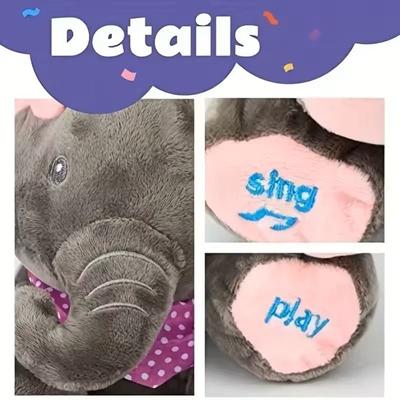
Inspire Select Interactive Singing Plush Elephant Toy With Moving Ears Interactive Singing Plush Elephant Toy With Moving EarsBring endless fun and surprises to playtime with this singing plush elephant that captivates with moving ears and cheerful sounds. Designed for toddlers, kids and anyone who loves interactive plush toys, this animated elephant toy stands out with...46,48 $*Shipping: 0,00 $Secure redirect to the provider
-
Hi-Line Gift Motion Activated Singing EagleEnjoy the relaxing sounds of a singing eagle. This uniquely-crafted and beautiful motion-sensor statue will please any bird lovers. Made of polyresin, this can be used indoors and outdoors. Uses Alkaline LR44 coin cell battery, 3pcs.64,73 $*Shipping: 0,00 $Secure redirect to the provider
-
Brainstream Pirate BeepEgg Singing and Floating Egg TimerBrainStream Pirate BeepEgg - Musical Kitchen Timer & Egg Timer, Plays 3 Tunes for Soft, Medium, Hard-Boiled Eggs - Any Egg Size & Temperature, Ideal for at Home or Camping - Made in Germany - New Turn breakfast into a fun and effortless experience...29,99 $*Shipping: 0,00 $Secure redirect to the provider
-
Global Craft Wisdom Buddha Singing Bowl Leather StrikerThis exclusive singing bowl design is made of a special seven metal alloy, with each metal representing a part of the astrological universe. It measures 6 inches by 2 inches and includes 6 inch wooden baton.97,49 $*Shipping: 0,00 $Secure redirect to the provider



-
What is the difference between a possessive pronoun and a possessive adjective?
A possessive pronoun replaces a noun and shows ownership or possession, such as "mine," "yours," "his," "hers," "ours," and "theirs." On the other hand, a possessive adjective modifies a noun to show ownership or possession, such as "my," "your," "his," "her," "our," and "their." In essence, possessive pronouns stand alone, while possessive adjectives are used before a noun to describe who owns or possesses it. **
-
What is the difference between a personal pronoun and a possessive pronoun?
A personal pronoun is used to replace a noun and refers to a specific person or thing, such as "he," "she," or "they." On the other hand, a possessive pronoun shows ownership or possession, such as "his," "her," or "their." Personal pronouns indicate who is performing the action in a sentence, while possessive pronouns indicate who owns or possesses something. **
-
What is the possessive pronoun for the 3rd person singular in Norwegian?
The possessive pronoun for the 3rd person singular in Norwegian is "hans" for masculine gender and "hennes" for feminine gender. These pronouns are used to show possession or ownership of something by a singular third person. For example, "hans bil" means "his car" and "hennes bok" means "her book". **
-
In French, do you use an apostrophe with the interrogative pronoun "quelle" and the possessive determiner "ma"?
Yes, in French, you use an apostrophe with the interrogative pronoun "quelle" and the possessive determiner "ma" when they are followed by a word starting with a vowel or a silent "h". For example, "quelle est ton adresse?" (What is your address?) and "ma amie" (my friend). **


Is the friend possessive?
Yes, the friend is possessive. This is evident from the fact that they are trying to control the narrator's actions and decisions, as well as expressing jealousy and possessiveness over the narrator's other relationships. The friend's possessive behavior is unhealthy and can be damaging to the narrator's well-being and independence. It is important for the narrator to set boundaries and communicate their needs in order to maintain a healthy friendship. **
What does possessive mean?
Possessive refers to showing ownership or control over something. It is used to indicate that something belongs to or is associated with a particular person or thing. In grammar, possessive forms are used to show that a noun belongs to someone or something. **
Top-Angebote
Products related to Possessive pronoun:
-
San Pacific - Ds Perching Eagle Garden Sculpture Dark Bronze , Dark BronzeBe sure to be quick if you want to see the Perching Eagle. This hand-cast aluminum sculpture has a hand-rubbed, dark bronze finish and depicts an eagle on a tree stump ready to take flight. This sculpture may be used indoors or outdoors year round....384,99 $*Shipping: 0,00 $Secure redirect to the provider
-
Uplift Essentials Humane Bird Deterrent Perch Strips Stainless Steel Anti Perching Barrier For Balcony Fence And Eaves Humane Bird Deterrent Perch Strips Stainless Steel Anti Perching Barrier For Balcony Fence And EavesStop birds from landing and leaving messy droppings without harming them. These durable stainless steel perch deterrent strips create an uncomfortable landing surface that helps keep balconies, fences, and window ledges clean and protected. Designed...39,97 $*Shipping: 0,00 $Secure redirect to the provider
-
Inspire Select Interactive Singing Plush Elephant Toy With Moving Ears Interactive Singing Plush Elephant Toy With Moving EarsBring endless fun and surprises to playtime with this singing plush elephant that captivates with moving ears and cheerful sounds. Designed for toddlers, kids and anyone who loves interactive plush toys, this animated elephant toy stands out with...46,48 $*Shipping: 0,00 $Secure redirect to the provider
-
Hi-Line Gift Motion Activated Singing EagleEnjoy the relaxing sounds of a singing eagle. This uniquely-crafted and beautiful motion-sensor statue will please any bird lovers. Made of polyresin, this can be used indoors and outdoors. Uses Alkaline LR44 coin cell battery, 3pcs.64,73 $*Shipping: 0,00 $Secure redirect to the provider
-
What is a possessive pronoun in English?
A possessive pronoun in English is a pronoun that shows ownership or possession. Examples of possessive pronouns include "mine," "yours," "his," "hers," "ours," and "theirs." These pronouns are used to indicate that something belongs to a specific person or group. Possessive pronouns can stand alone or be used before a noun to show ownership. **
-
What is the possessive pronoun in Spanish?
The possessive pronoun in Spanish is a word that indicates ownership or possession. It agrees in gender and number with the noun it is referring to. Examples of possessive pronouns in Spanish include "mi" (my), "tu" (your), "su" (his/her/its/your formal), "nuestro/a" (our), and "vuestro/a" (your plural). **
-
What is the difference between a possessive pronoun and a possessive adjective?
A possessive pronoun replaces a noun and shows ownership or possession, such as "mine," "yours," "his," "hers," "ours," and "theirs." On the other hand, a possessive adjective modifies a noun to show ownership or possession, such as "my," "your," "his," "her," "our," and "their." In essence, possessive pronouns stand alone, while possessive adjectives are used before a noun to describe who owns or possesses it. **
-
What is the difference between a personal pronoun and a possessive pronoun?
A personal pronoun is used to replace a noun and refers to a specific person or thing, such as "he," "she," or "they." On the other hand, a possessive pronoun shows ownership or possession, such as "his," "her," or "their." Personal pronouns indicate who is performing the action in a sentence, while possessive pronouns indicate who owns or possesses something. **
Similar search terms for Possessive pronoun
-
Brainstream Pirate BeepEgg Singing and Floating Egg TimerBrainStream Pirate BeepEgg - Musical Kitchen Timer & Egg Timer, Plays 3 Tunes for Soft, Medium, Hard-Boiled Eggs - Any Egg Size & Temperature, Ideal for at Home or Camping - Made in Germany - New Turn breakfast into a fun and effortless experience...29,99 $*Shipping: 0,00 $Secure redirect to the provider
-
Global Craft Wisdom Buddha Singing Bowl Leather StrikerThis exclusive singing bowl design is made of a special seven metal alloy, with each metal representing a part of the astrological universe. It measures 6 inches by 2 inches and includes 6 inch wooden baton.97,49 $*Shipping: 0,00 $Secure redirect to the provider
-
JoyToys Interactive Dancing Bee Toy With Music, Lights & Singing For Kids Interactive Dancing Bee Toy With Music, Lights & Singing For KidsA smile is just one button away with this Dancing Bee Toy that keeps little ones laughing, moving, and learning through play. Designed for toddlers and young children, this adorable bee sings, dances, and lights up to capture attention while...49,97 $*Shipping: 0,00 $Secure redirect to the provider
-
Hi-Line Gift Motion Activated Singing Hummingbird On FoxgloveEnjoy the relaxing sounds of a singing hummingbird This uniquely-crafted and beautiful motion-sensor statue will please any bird lovers Made of polyresin, this can be used indoors and outdoors Uses Alkaline LR44 coin cell battery, 3pcs49,99 $*Shipping: 0,00 $Secure redirect to the provider
-
What is the possessive pronoun for the 3rd person singular in Norwegian?
The possessive pronoun for the 3rd person singular in Norwegian is "hans" for masculine gender and "hennes" for feminine gender. These pronouns are used to show possession or ownership of something by a singular third person. For example, "hans bil" means "his car" and "hennes bok" means "her book". **
-
In French, do you use an apostrophe with the interrogative pronoun "quelle" and the possessive determiner "ma"?
Yes, in French, you use an apostrophe with the interrogative pronoun "quelle" and the possessive determiner "ma" when they are followed by a word starting with a vowel or a silent "h". For example, "quelle est ton adresse?" (What is your address?) and "ma amie" (my friend). **
-
Is the friend possessive?
Yes, the friend is possessive. This is evident from the fact that they are trying to control the narrator's actions and decisions, as well as expressing jealousy and possessiveness over the narrator's other relationships. The friend's possessive behavior is unhealthy and can be damaging to the narrator's well-being and independence. It is important for the narrator to set boundaries and communicate their needs in order to maintain a healthy friendship. **
-
What does possessive mean?
Possessive refers to showing ownership or control over something. It is used to indicate that something belongs to or is associated with a particular person or thing. In grammar, possessive forms are used to show that a noun belongs to someone or something. **
* All prices are inclusive of VAT and, if applicable, plus shipping costs. The offer information is based on the details provided by the respective shop and is updated through automated processes. Real-time updates do not occur, so deviations can occur in individual cases. ** Note: Parts of this content were created by AI.